
The relevance of the arts in Preschool, looking specifically at Visual Art and Drama.
Don't wanna be here? Send us removal request.
Statistics
We looked inside some of the posts by thepreschooleducator and here's what we found interesting.
Average Info
Notes Per Post
2
Likes Per Post
1
Reblog Per Post
0
Reply Per Post
1
Time Between Posts
57 minutes
Number of Posts By Type
Text
3
Last Seen Tumblr Blogs


Fun Fact
The average Tumblr user visits about 67 pages every month.
Text
Blog Post One- Introduction and Arts Languages.
Introduction
The Early Years Learning Framework (EYLF), is the national framework for early childhood education. The EYLF focuses on the holistic development (physical, social, emotional, cognitive and creative) of the whole child and play-based learning pedagogy. This is expressed in the EYLF in terms of children belonging, being and becoming. In Australia, the arts are classified into five disciplines, these include Dance, Drama, Media Arts, Music and Visual Arts which feature significantly in early childhood. The arts foster a child’s creativity, imagination, learning and development through inquiry and discovery.

In this blog I hope to illustrate how the expectations of developing the whole child can be pursued through the arts. This space will be used to form three blog posts which focus on learning through the arts in early childhood; specifically, in the preschool year (age 4-5). This first blog post acts as an introduction and explores art as a tool for language and communication development. The second blog post focuses on pedagogy, the Reggio Emilia approach, the importance of creative learning environments and differentiated teaching and learning. The final blog post will focus on emergent curriculum and appropriate assessment strategies to support learning and teaching of children. I aim to provide a practical account to developing young children’s meaning making and their capabilities through arts learning experiences; focusing specifically on Visual Art and Drama.

Arts Languages
The arts act as a language for communicating and constructing meaning. Arts experiences allow children to express their own ideas, thoughts and feelings. This is depicted by Felicity McArdle and Susan Wright as a child’s first languages, a way in which children create meaning, develop their self-concept and come to know their world. For example, visual art gives a child’s experience form and expression through line, colour, shape and symbolic language which allows the child to translate their physical experience to a visual representation. Through drama, children are drawing on their own experiences, understandings and knowledge of the world as they engage in improvisation and role play, often imitating what they see around them. The open-ended nature of the arts provides another language for children to communicate their thoughts, feelings and perceptions as they make meaning of their experiences and communicate their ideas and interpretations to their own art making.


0 notes
Text
Blog Post Two- Pedagogy, Creating Learning Environments and Supporting Diverse Learners.
Pedagogy
Judith Dinham and Beryl Chalk refer to pedagogy as the actions you take in your role as an educator to promote children’s learning which is shaped by the educational philosophies, educational theories and principles of learning. The centre that I work at, is inspired by the Reggio Emilia approach. The Reggio Emilia approach is an educational philosophy that was developed by Loris Malaguzzi and parents in the villages around Reggio Emilia. This approach reflects a constructivist view to early education and echoes the work of educational theorists such as Jerome Bruner, David Hawkins, John Dewey, Howard Gardner, Jean Piaget and Lev Vygotsky. Three main principles of learning to this philosophy is the focus on the child, the environment and the teacher. The Reggio Emilia educational philosophy and pedagogy is key to the way I create learning environments, conduct activities and plan for and document children’s learning.


Creating Learning Environments
One of the key elements of the Reggio Emilia approach is the environment, which acts as a third teacher. Loris Malaguzzi viewed the physical environment as fundamental to the program; carefully constructed and organised to offer children “a hundred languages” to express their ideas. The environment acts as a respectful, culturally inclusive and safe space where children with varying needs, abilities and interests can feel comfortable to explore, play, discover and learn in collaboration with other children and adults.


Visual Art Example
In creating the learning environment, there is an art area, a space that includes a wide variety of materials for children to creatively express themselves. In my classroom this space includes an open art trolley, a large table with seven chairs, a paint stand, a drying rack and an apron stand. On the open art trolley there is a wide variety of materials such as paints, crayons, pencils, markers, collage pieces, playdough tools, scissors, loose parts, glue and other materials. There is a range of different coloured paper of different sizes, magazines and cardboard. The children know where to get fresh paper, where to place completed artwork and where different paint brushes are located. This area allows children to work with different materials and processes, make choices, develop ideas and engage in self-selective, autonomous activity. The child is an active constructor of knowledge, given time to engage in free expression where the focus is on process over product. Art areas provide important context for the development of representational or symbolic thought processes.


Supporting Diverse Learners through Visual Art
Visual art is a non-verbal tool that can support a diverse range of learners. Visual art materials give children who are developing verbal language at a different rate from their peers, the capacity for communication through their work as they grow in their use of strategies and details to depict the narratives that live in their imaginations and experiences. Children with vary degrees of emotional, behavioural and social impairments can also benefit from the opportunity to express themselves through visual art. This medium gives expression to inchoate feelings and life experiences and acts as a means of communication. Using the art-making process as a means of self-expression, can improve a child’s capacity for self-regulation and can benefit a wide range of diverse learners.


Drama
Dramatic Play
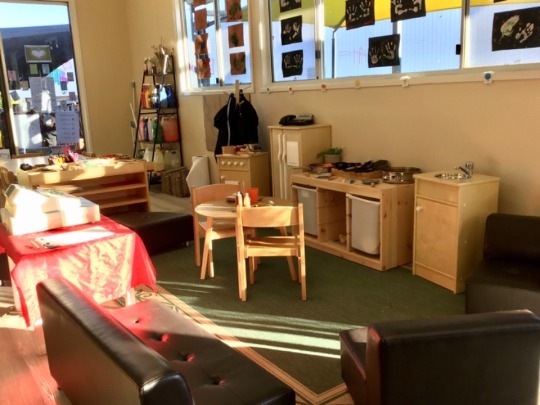
As an early childhood educator, I use drama to support a child’s natural interest to pretend through a range of drama forms, processes and techniques such as dramatic play spaces, puppetry and story drama. In the classroom, there is space for dramatic play, a drama form and pedagogical tool that is used for exploring socio-cultural experience. In my classroom, I like to create different dramatic play spaces that extend upon the children’s interests, inquiries and connect to a child’s sense of belonging. These spaces are set up to represent different places and scenarios and include appropriate furniture, props, costumes, accessories and scenery to visually support the dramatic play. Dramatic play is educationally rich and provides children with opportunities to explore different roles, characters and scenarios as well as practice social behaviours which contribute to their social-emotional, language and cognitive development.
(See further examples in Blog Post Three).


Puppetry
In the classroom puppets have been placed on low shelving for the children to use during play. As children engage with puppets, they learn how to imaginatively create their own stories, bring characters to life and explore social relationships, situations and feelings through language and movement. This allows them to practice their language, social and communication skills as well as come to understand narrative as they engage with peers and adults. I often use puppets as a pedagogical tool and teaching strategy during group times. I pick up on the children’s behaviour and use puppets as another way of reading a story to the children. I have found puppetry to be an engaging way to grasp the children’s attention, teach social behaviours and guide children in how to use puppets in their own play.

Story Drama
I also like to use story drama during groups time with the children. Story drama is an approach to improvisation and role-play that uses literature as its inspiration; a well-establish drama process, developed by David Booth. This form of drama moves beyond the text and involves imagining what happened before the events of the story, what happens next and where the characters might end up at a certain point in time. The expressive intention of story drama is to move beyond the text and invite children to participate, contribute and extend the storytelling process which allows them to develop their literacy, motor and cognitive skills.

Supporting Diverse Learners through Drama
Dramatic play spaces are created to support children of diverse backgrounds and abilities. The space is multidimensional and includes resources of different textures, shapes and functions which enables children to join in at a degree that suits them. I have found that story drama and puppets are inclusive and developmentally appropriate ways that support children with a variety of abilities, interests and needs. In these often teacher-led experiences, the group enter a shared experience with a trusted adult that builds on their propensity for play. Each child can contribute thus, the storytelling process can be inclusive of all children. Another approach to drama is Dorothy Heathcote’s concept of ‘teacher in role’. The children play the role of the ‘expert’ directing the activity and offering suggestions as invited to do so by the teacher. One noticeable aspect of this work is the success it has had in engaging children across the ability range. Everyone is invited to participate fully and contribute to the unfolding action. The adult works to make use of whatever the child is able to contribute and continues to invite them to do what the group is doing. These three drama forms link to three of the eight ways of learning; a pedagogical tool to support Aboriginal and Torres Strait Islander children and include story sharing (narrative-driven learning), non-verbal ways of communication (hands on/ reflective techniques), symbols and images (use of metaphors and symbols).


0 notes
Text
Blog Post Three- Emergent Curriculum, Documentation and Assessment.
Emergent Curriculum
In using the Reggio Emilia approach, educators foster an integrated curriculum that is both child-centred and emergent. The educator listens and observes the children in the classroom and records their observations to help plan the curriculum, prepare the environment and teaching tools that support the children’s interests. The educator then extends upon the children’s interests and experiences to guide children to further inquiry and deeper understandings; promoting the use of symbolic language to depict their understandings through a variety of art media.
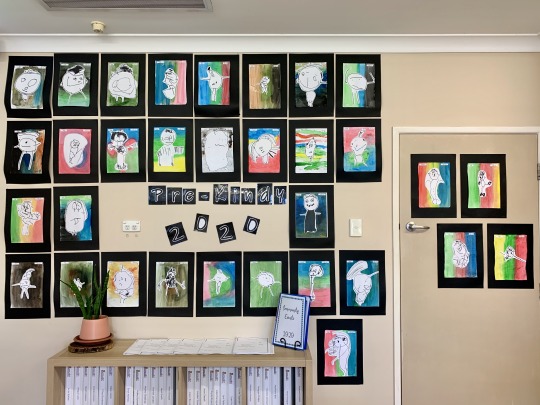
Visual Art Example
For example, at the beginning of this year, a child expressed interest in forming their own self-portrait. Using the emergent curriculum, I was able to form a unit of inquiry and introduce the concept of self-portraits to the class. In this discovery, the interactive TV was used to show the class examples of self-portraits by artists such as Vincent Van Gogh, Pablo Picasso, Gustave Caillebotte, Frida Kahlo and Rembrandt Harmenszoon van Rijn.
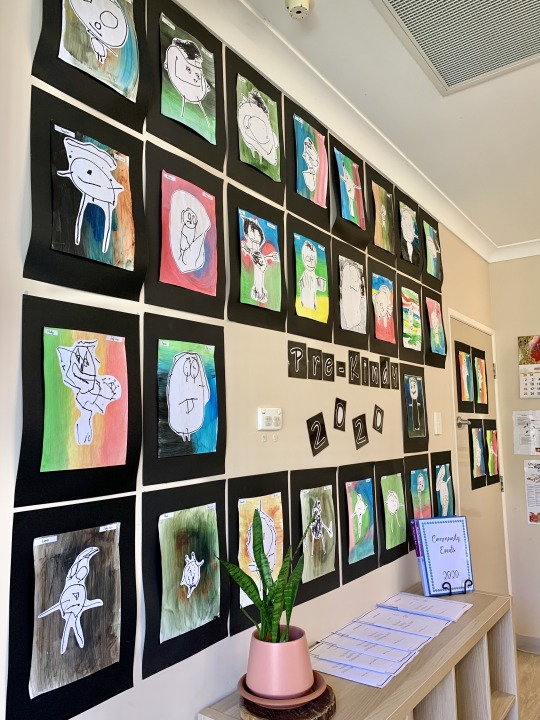
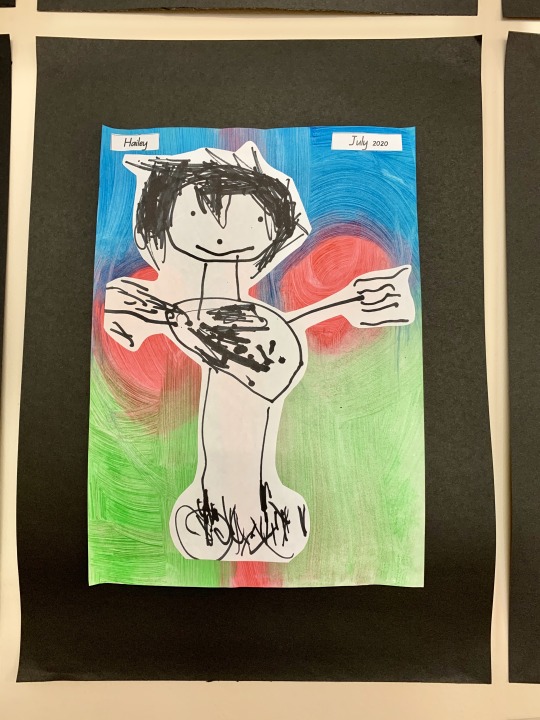
Afterward, the children were free to create their own self-portraits using materials such as paint, paper, markers and mirrors in the art area. To extend upon our exploration of artists, I placed books about artists in the reading area. Different interests surfaced as the children explored the variety of styles presented in these texts. In particular, Vincent Van Gogh’s sunflowers, the work of Georgia O’Keeffe and impressionists works by Pierre-Auguste Renoir and Edgar Degas. Through the unit of inquiry, intentional teaching of the arts was employed to allow the children to learn about famous artists, their work and broaden their experience of artistic expression.


Drama Example
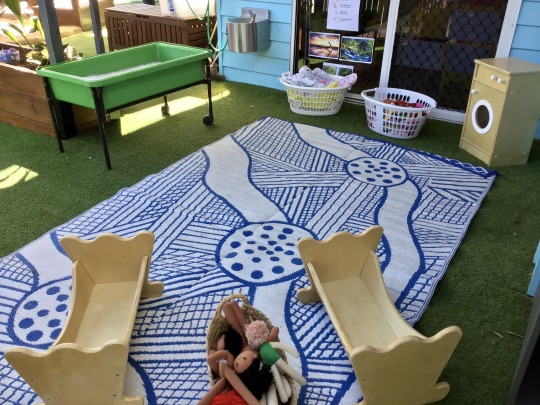
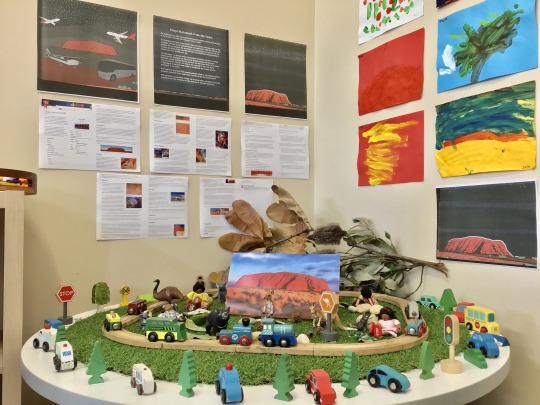
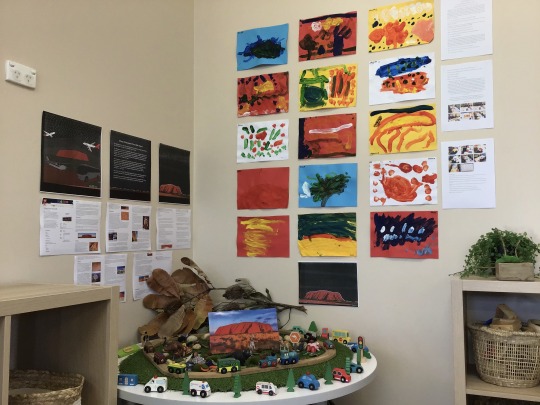
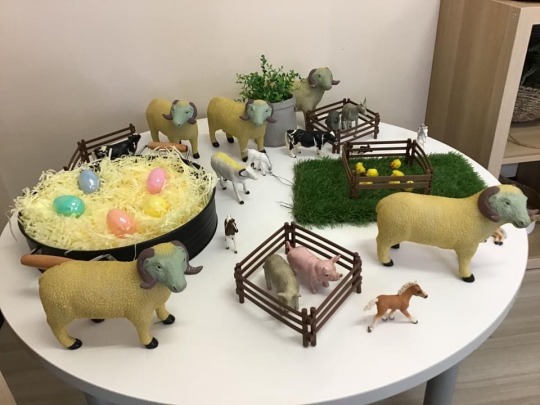
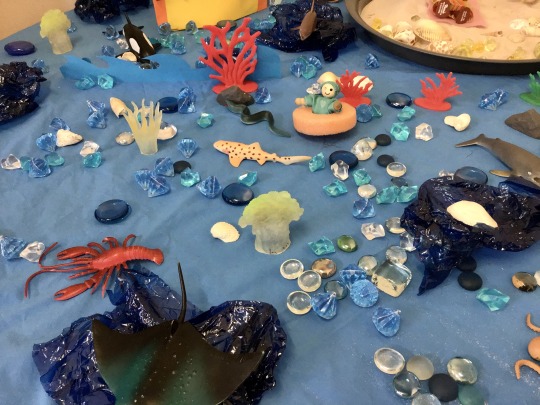
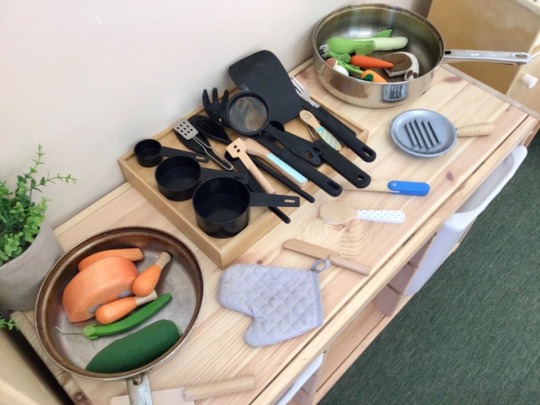
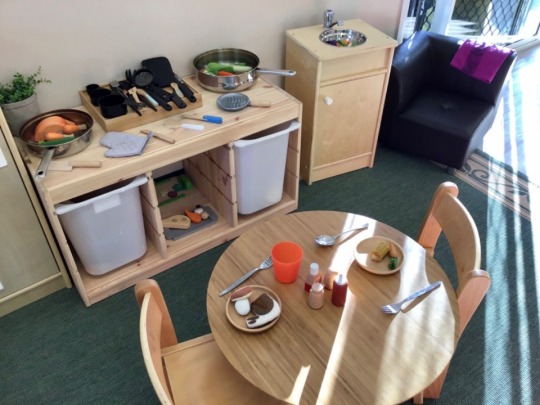
In creating dramatic play spaces, I have used the emergent curriculum and Jerome Bruner’s concept of scaffolding to extend the children’s dramatic play and introduce new experiences that promote the development of socio-emotional, cognitive and language skills. Some examples of the dramatic play spaces that I have formed include:
A Laundry
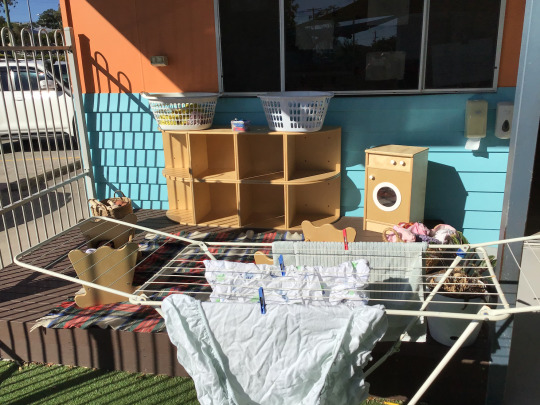
A café which served pizza, sushi, coffee and cakes
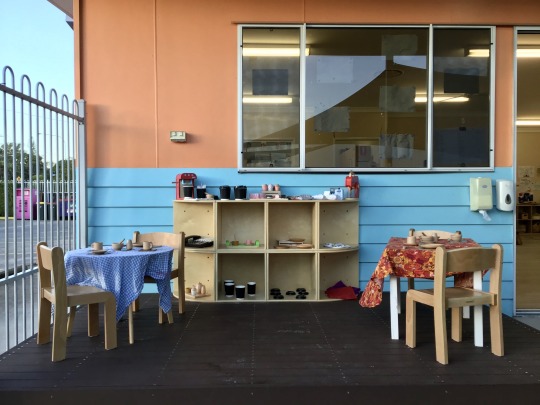
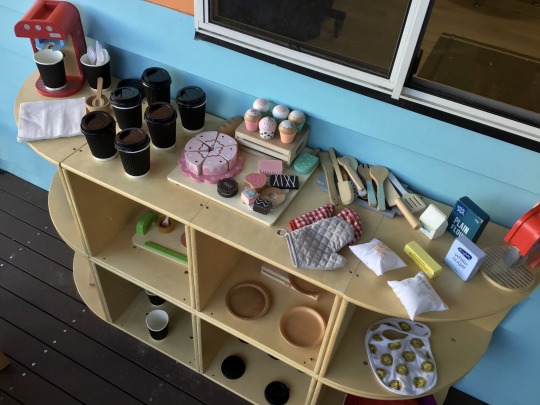
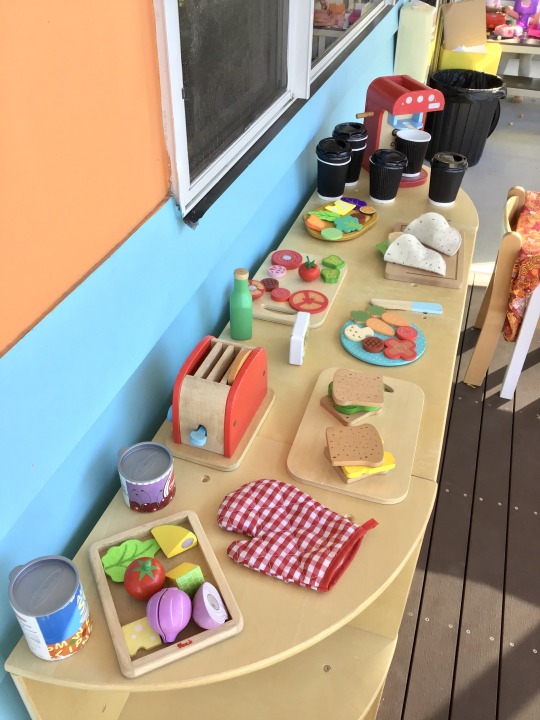
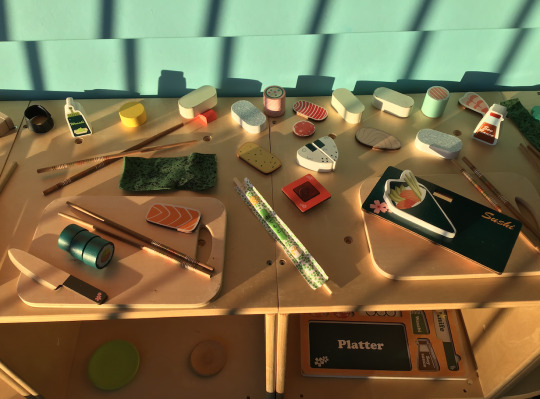
A restaurant
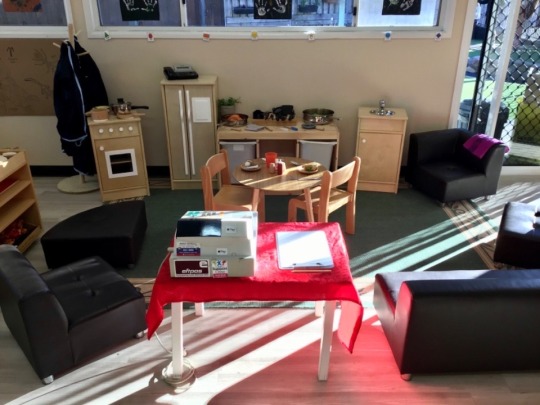
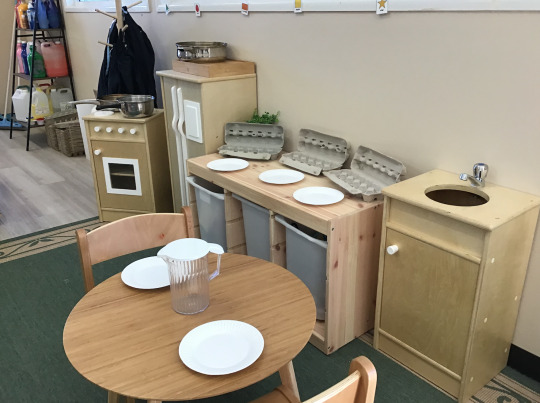
A hair salon

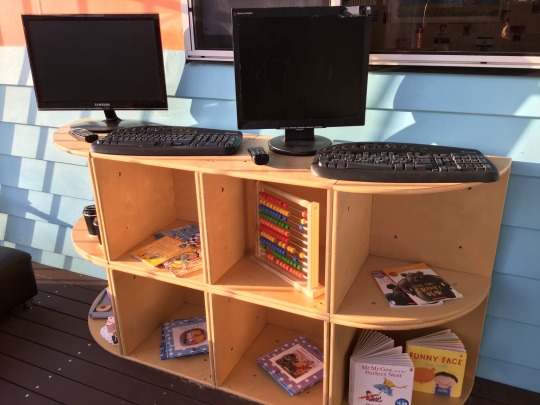
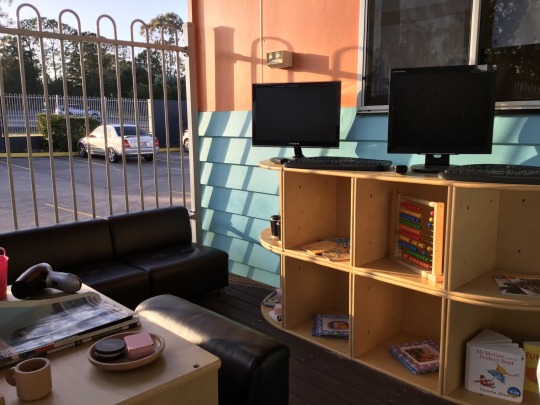
An Uluru small world space
A farm
A zoo
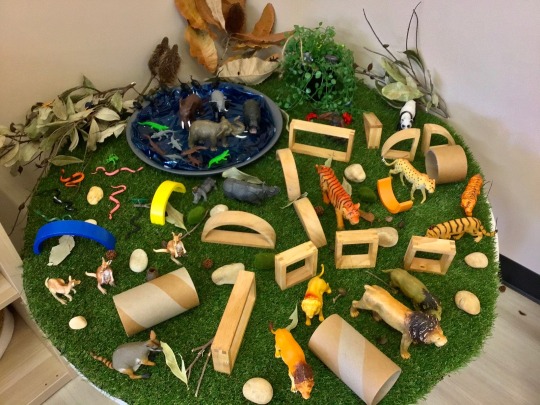
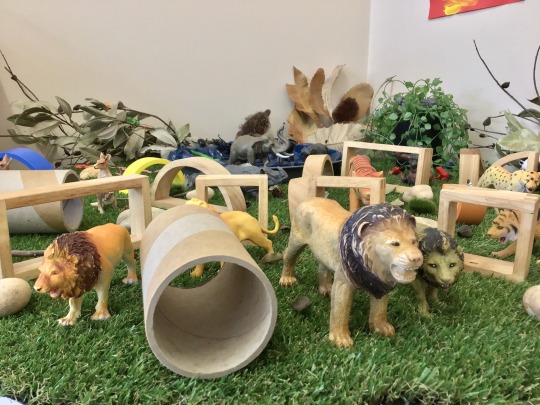
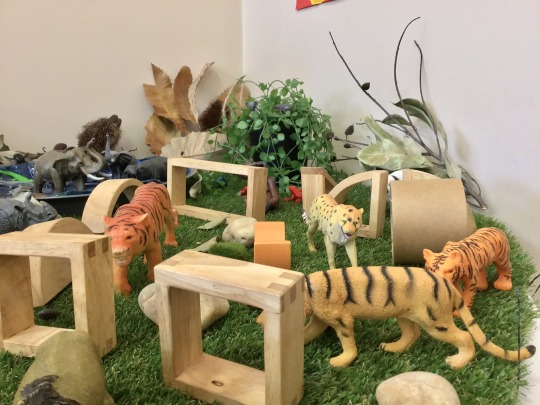
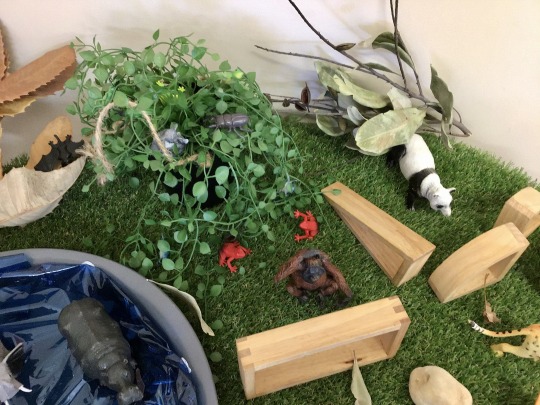
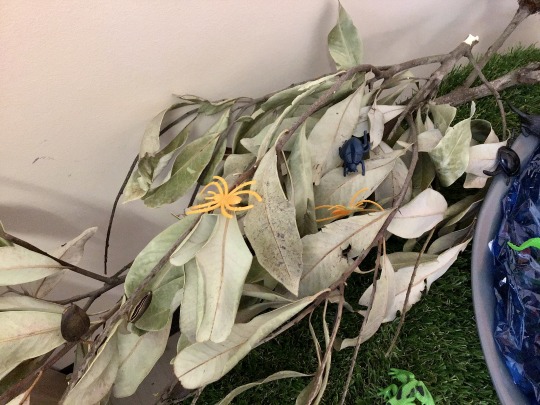
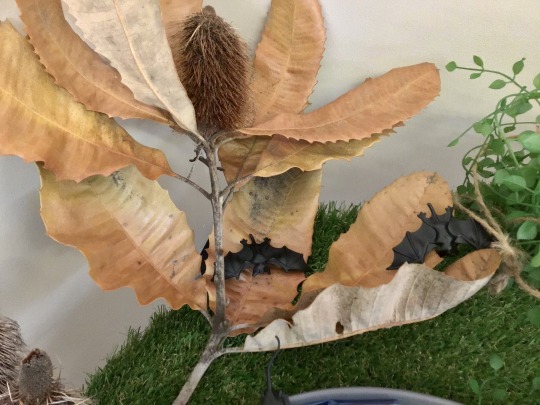
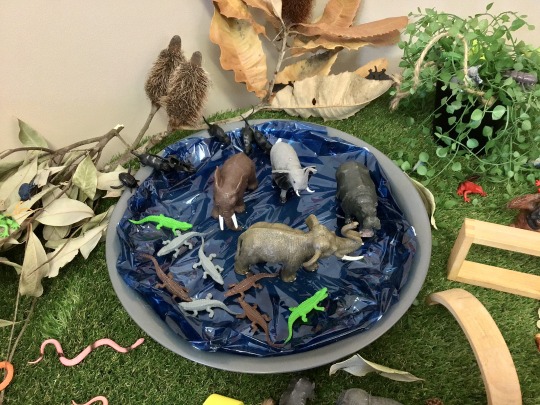
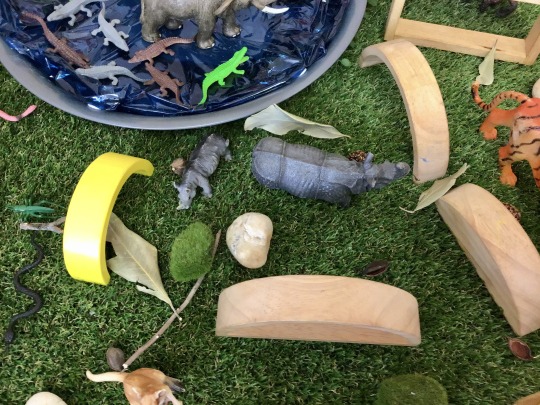
An under the sea space
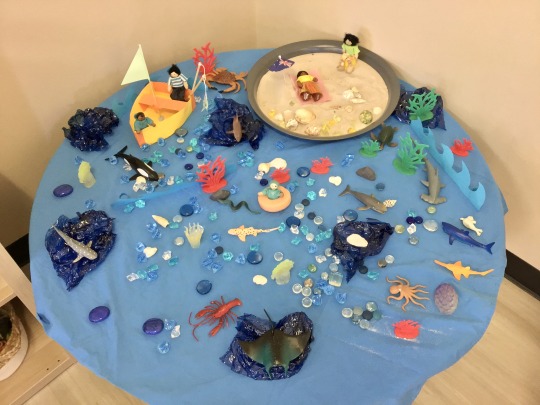
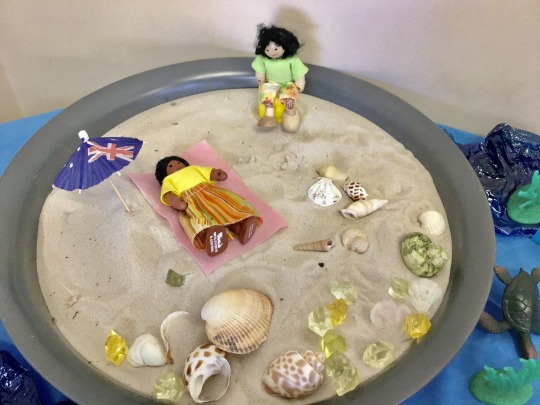
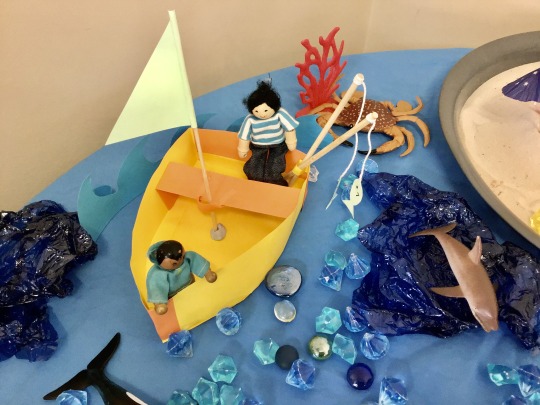
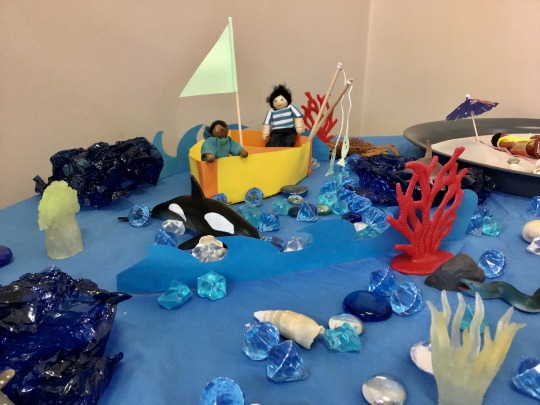
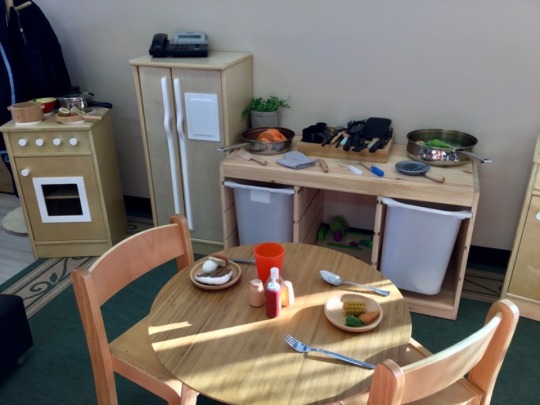
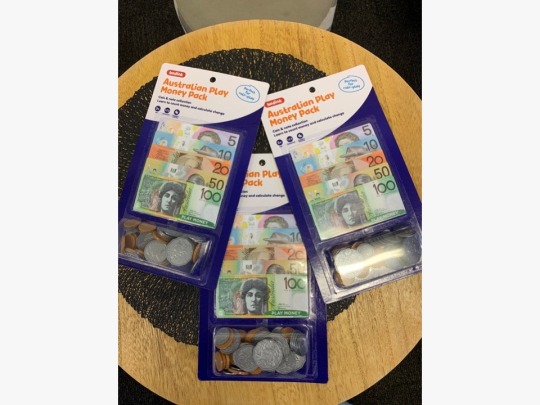
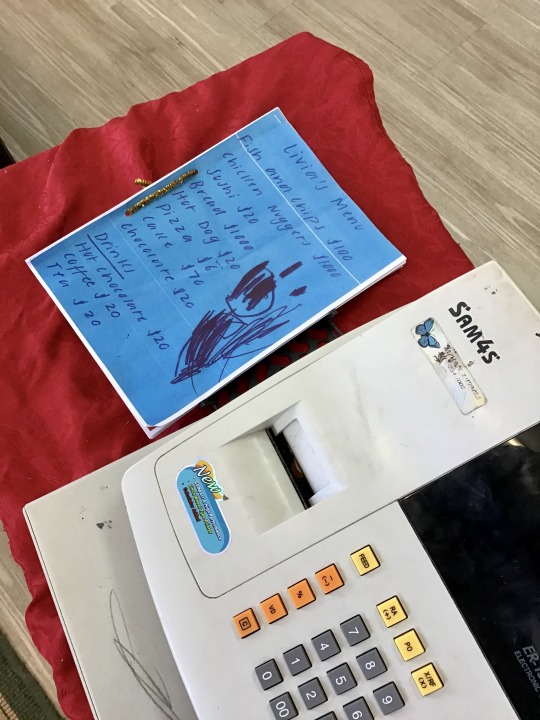
I have used intentional teaching to create authentic art learning experiences that are deliberate, thoughtful and planned with a purpose. For example, the restaurant was created inside after the children had explored a café space which served pizza, sushi, coffee and cakes in the outdoor environment. A key feature of this space was the introduction of a real cash register that was donated to the centre as well as the introduction of australian money and the children’s own menus. In this space I used open-ending questions as well as modelling and demonstrating to develop the children’s knowledge of roles and relationships. This included demonstrating how to order something from the menu, how to pay using money and how to play the role as a customer, server or chef through actions and speech. These interactions were used as a way to extend the children learnings as they engaged in play.
Documentation and Assessment
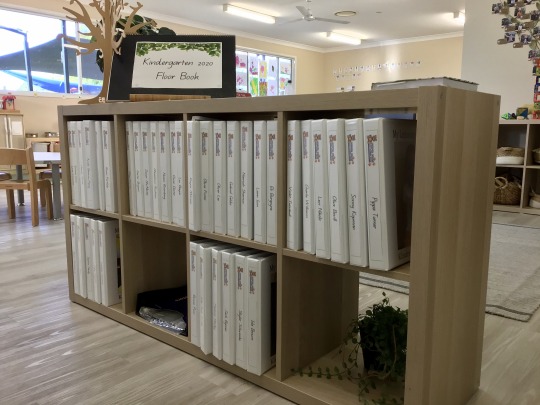
The EYLF recognises assessment as a pedagogical principle and defines assessment as the process of gathering and analysing information as evidence about what children know, can do and understand. It is part of an ongoing cycle that includes planning, documenting and evaluating children’s learning. The early years planning cycle outlines the process that early childhood professionals use in partnership with families, children and other professionals to collect, analyse and reflect on evidence of learning and development.

Why access?
Early childhood professionals choose a range of assessment instruments and techniques that reflect a whole-child approach and create a holistic picture of each child’s knowledge, understandings, skills and capabilities. Information gathered from assessment forms the basis for identifying the next steps for children’s learning and development, highlighting the child’s strengths, abilities, interests, noting progress and identifying where further support is needed. Assessment take into account the child’s individual circumstances such as the child’s family, health, wellbeing, cultural or language backgrounds and how they influence the child’s development and abilities.
Types of assessment
Early Childhood professionals use three main forms of assessment in education and care practice, these are defined into three categories and include assessment for learning: formative assessment, assessment as learning: diagnostic assessment and assessment of learning: summative assessment.
Assessment for learning: Formative Assessment
Assessment for learning is referred to as formative assessment. This assessment strategy allows the educator to observe the child as they engage in play and arts learning experiences. Evidence of the child’s individual learning and development is gathered from what the child might write, draw, make, say or do. The evidence is then analysed by the educator who applies their knowledge of child development theory, takes into account the child’s social and cultural background and links this with the five learning outcomes in the EYLF. This documentation is then shared with the child, the child’s family and other professionals where appropriate. The educator uses this observation to develop strategies and form new learning opportunities that extends the child’s learning. This informs the next stage of learning and informs program planning decisions about individual children on an ongoing basis.
Assessment as learning: Diagnostic Assessment
Assessment as learning is referred to as diagnostic assessment. Diagnostic assessment can take the form of interviews with children, work samples and observation techniques such as running records, anecdotal records, checklists, rating scales and event and time sampling. This form of assessment can be formal and informal and is designed to gather information about a child’s learning and development progress. For example, as a child engages in a visual art experience the educator can assess their fine motor control, pencil grip and their ability to form shapes, lines and identify colours. In drama experiences the educator can assess the child’s speech and oral language skills as they engage in symbolic play, interact with others in dramatic play experiences and contribute their ideas in puppetry and story drama. One of the benefits of this form of assessment is the early identification and intervention in learning delays and development problems.
Assessment of learning: Summative Assessment
Assessment of learning is referred to as summative assessment. Assessment of learning occurs at the end of a defined period of time typically six months into the year (mid-year summative assessment) and at the end of the year (12 months). A summative assessment is a summarised report of the child’s individual progress and achievements. The educator uses the child’s learning portfolio (that includes observations and assessment of the child) and seeks to ‘sum up’ what the child has learnt and where they have progressed (in their pencil grip, fine motor control, language and communication skills for example). Using the five learning outcomes, the child’s learning dispositions and marked progress is summarised. This assessment is reported to the child’s family which other educators and professionals can access to support’s a child’s continuity of learning as s/he transitions between groups and enters a new learning environment with different educators.
References from all three blog posts
Althouse, R., Johnson, M. H., & Mitchell, S. T. (2003). The colors of learning: integrating the visual arts into the early childhood curriculum. Teachers College Press; National Association for the Education of Young Children.
Australian Human Rights Commission [AHRM]. (2014). Embedding children’s rights into children’s services.https://humanrights.gov.au/about/news/speeches/embedding-childrens-rights-childrens-servicesChildren’s Services Central. (2012).
Provocations on Assessment in Early Childhood Education. https://www.ecrh.edu.au/docs/default-source/resources/ipsp/provocations-on-assessment-in-early-childhood-education.pdf?sfvrsn=6Department of
Education, Employment and Workplace Relations [DEEWR]. (2009). Belonging, being and becoming: The early years learning framework for Australia.https://docs.education.gov.au/system/files/doc/other/belonging_being_and_becom ing_the_early_years_learning_framework_for_australia_0.pdf
Dinham, J., & Chalk, B. (2018). It's arts play: young children belonging, being and becoming through the arts. Oxford University Press.
KornBursztyn, C. (2012). Young children and the arts: Nurturing imagination and creativity. ProQuest Ebook Central https://ebookcentral.proquest.com
Queensland Curriculum & Assessment Authority [QCAA]. (2018). Knowledge frameworks of Aboriginal and Torres Strait Islander peoples. https://www.qcaa.qld.edu.au/about/k-12-policies/aboriginal-torres-strait-islander-perspectives/resources/frameworks
Schiller, M. (1995). Reggio Emilia: A Focus on Emergent Curriculum and Art. Art Education, 48(3), 45-50. doi:10.2307/3193521
Sinclair, C., Jeanneret, N., & O'Toole, J. (2017). Education in the arts 3e. ProQuest Ebook Central https://ebookcentral.proquest.com
Wright, S. (2011). Children, meaning-making and the arts ebook. ProQuest Ebook Central https://ebookcentral.proquest.com
2 notes
·
View notes